

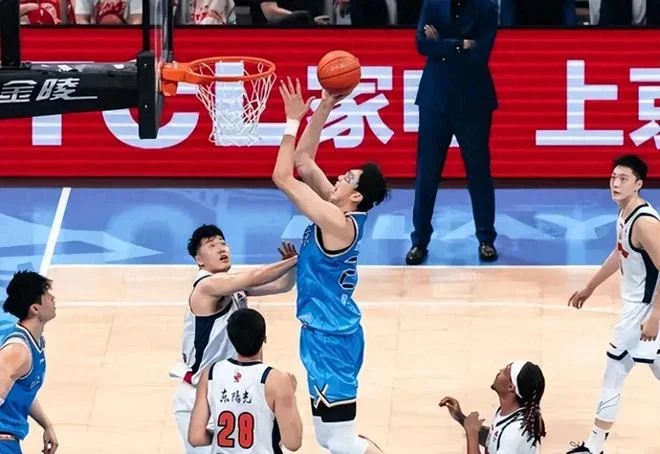
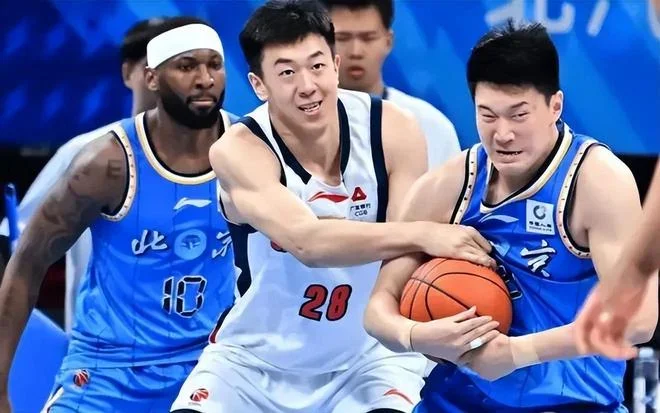
After stunning Beijing with a Game 2 buzzer-beater, Guangdong’s luck ran out in the decisive third game of the CBA playoffs. Falling by 15 points to Beijing, the team was eliminated in the quarterfinals, finishing fifth overall.
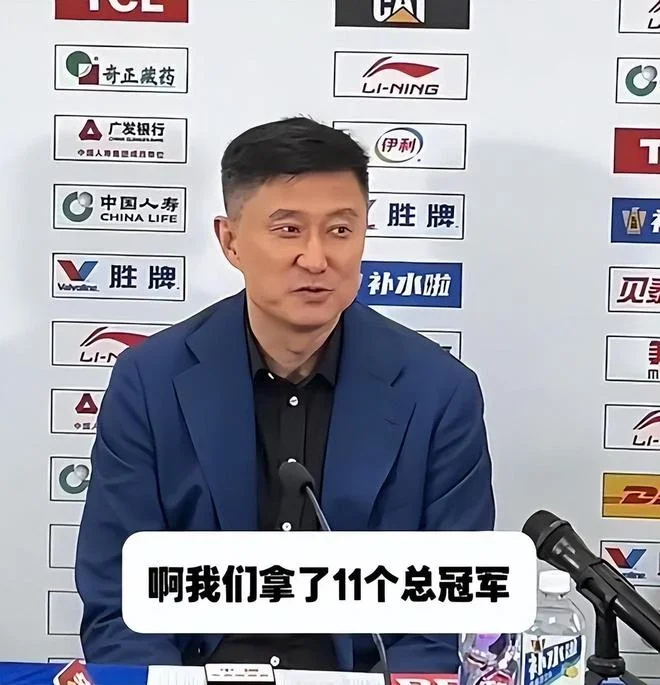
Du Feng’s remarks after the loss have ignited a firestorm of criticism. He stated, “In the fourth quarter, our offense became too simplistic. We had nine turnovers in the first half, which allowed them to find their rhythm. That’s how the game goes—whoever makes fewer mistakes in the playoffs wins. Losing is unfortunate, but I hope the young players on this roster gained valuable experience. It’s been a tough season—incomplete roster early on, injuries throughout—we’ve stumbled along, but we made it this far. I appreciate the players’ support for the coaching staff and the support from the media, sponsors, and fans. Everyone’s backing is our motivation. No one wants to lose, but there’s only one champion. That’s sports.”
Critics say Du Feng’s remarks repeatedly shift blame to objective factors like injuries and incomplete roster while avoiding any mention of his own coaching decisions, rotations, or in-game adjustments.
When asked if he felt regret over the season, Du Feng added, “Regret? I don’t think there’s any. Whether you achieve results or not, you gain something. If winning a championship is the only thing that matters, then we’ve won 11 titles. Many teams have never won a championship—does that mean they spend their seasons in regret? There’s joy in winning, and in losing you find problems and improve. That’s sports. There’s no regret.”
This statement has drawn widespread backlash. Renowned journalist Bie Pao Gang Bei Zhu commented, “I think Coach Du’s remarks are inappropriate. A coach can speak for himself, but he can’t speak for the entire team without consulting the players, the ownership, and the front office. I don’t believe nobody on the team feels regret after this loss.” Indeed, Guangdong led by 10 points in the first half but then suffered an 18-3 run. If they had maintained that lead, they could have applied immense pressure on Beijing and possibly won.
Other observers pointed out specific reasons for regret: the preseason trade of a homegrown 2.26-meter center for two injury-prone players, who combined for just 2 points in Game 3—a virtual blank. The team boasted a high budget, four foreign players early on, and a public goal of contending for the title, yet failed to reach the semifinals for the second consecutive year.
Some argued that Guangdong’s 11 titles are not solely Du Feng’s credit—Li Chunjiang won seven, Jonas Kazlauskas one, and Du Feng has captured only three in 11 years, far behind Li Chunjiang’s eight titles in seven seasons. Critics said Du Feng is stubborn in his player usage, benching young talent like national youth scoring champion Chen Jiazheng for almost the entire playoffs and giving him only two minutes in garbage time. Another young player, Wang Hongze, didn’t see the court. Guangdong-based journalist Mai Sui Feng described the season as a failure with many issues.
Fans voiced similar sentiments: “Losing without self-reflection on rotations and tactics, and instead using the 11 titles to silence critics—that shows no accountability or vision as a head coach. Legacy isn’t an excuse to relax, and championship honors should inspire progress, not serve as a shield for complacency. Du Feng is shameless and lacks integrity!” After the game, a significant portion of fans demanded his departure from the team.
What are your thoughts on Du Feng’s controversial comments?
